You've done the research. You've walked more decks than you can count. You have opinions about interior finishes and strong feelings about seating layouts.
And yet there are things — specific, costly, important things — that almost nobody will tell you before you write the check. Not the broker, not the manufacturer, not the magazine test. Here's the version you actually need.
Most buyers at 43 feet are thinking about interior volume and top speed. Draft — how deep the boat sits in the water — gets a glance and a nod.
This is a mistake.
The difference between 0.60 metres of draft and 1.14 metres sounds like an engineering detail. In practice it determines your entire itinerary. The best anchorages on the Mediterranean, the Aegean coves, the Dalmatian bays, and the Balearic inlets consistently sit at 0.7 to 0.9 metres. A boat that draws more cannot enter them.
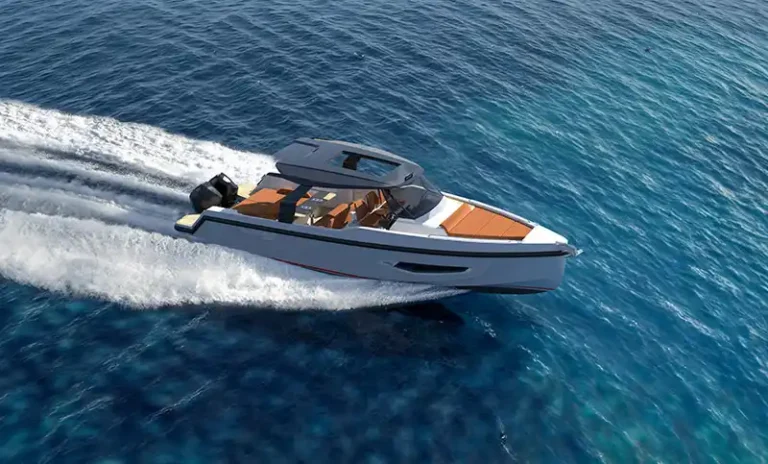
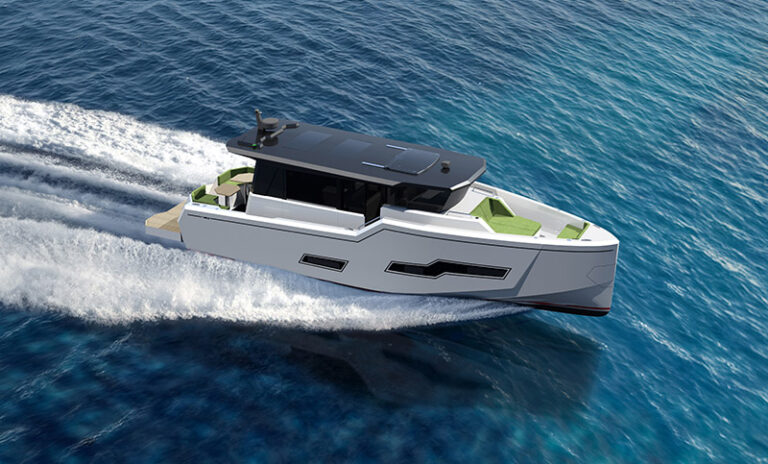
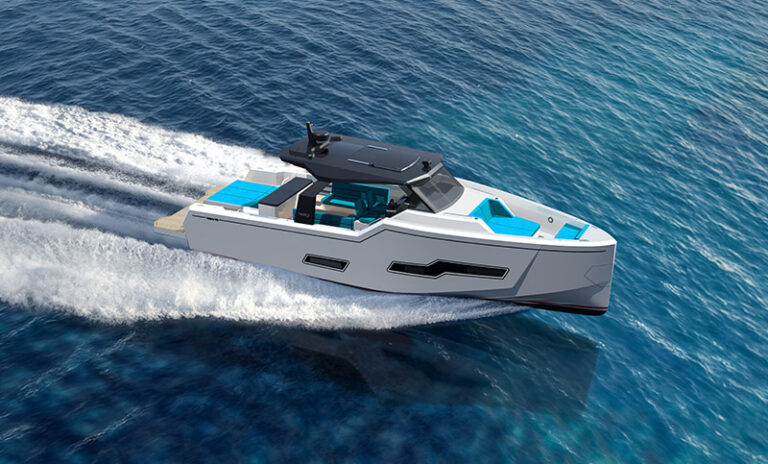
The Fabbro F45 drafts 0.60 metres. Most competitors at this size draft between 0.80 and 1.14 metres. That gap is not a footnote — it's the difference between anchoring in a place and watching it from outside.
Before you buy any 43-foot boat, check the draft against the destinations you actually intend to visit.
At 43 feet you're in the size range where proper passages become possible. What the boat can actually do on a full tank determines whether those passages are relaxed or anxious.
The class average fuel capacity at this size is 450–500 litres. At cruise speed that gives roughly 110–140 nautical miles of range. For island hopping in Greece, a crossing from mainland Spain to Mallorca, or any passage beyond the immediate coastline, that range forces fuel stops that dictate your schedule.
A boat carrying 1,000 litres doubles that number. Athens to Rhodes without stopping. Mallorca to Ibiza without the calculation. Read the fuel capacity carefully. Then run the numbers against the routes you want to do. If they don't work, no amount of interior quality compensates.
Most buyers think of this purely as a performance choice. The reality is more consequential.
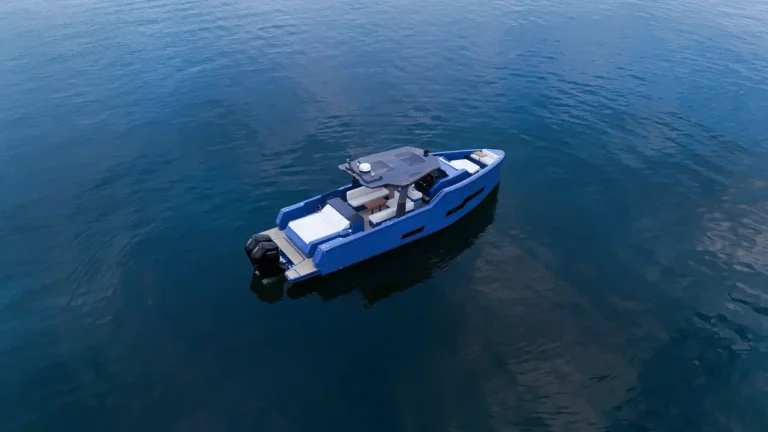
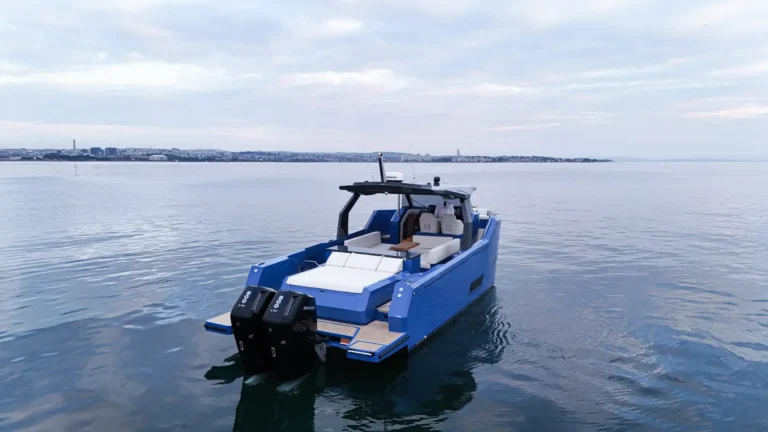
An outboard engine lives outside the hull. No engine room below the waterline means that space goes somewhere else — into the cabins, into the living area. On a two-cabin 43-foot boat that difference is felt every night at anchor.
Outboard engines also tilt up at the dock for most maintenance. Sterndrive systems typically require a haul-out. Over ten years of ownership the difference in haulage cost alone is significant. The difference in convenience — fixing most things at the dock rather than the boatyard — is something owners talk about constantly once they've experienced both.
The broker selling you the boat has every reason to make the transaction happen. What they may not volunteer is the realistic annual maintenance budget once warranties expire, or the service availability in the area where you actually keep the boat.
Before you buy, find the boats at your intended marina and talk to the people who own them. Ask what it costs to run. Ask what breaks and how hard it is to fix. Ask if they'd buy the same boat again.
That conversation takes forty minutes. It's worth more than a hundred hours of brochure reading.
Go on the boat. Not a ten-minute test run with a salesman at your elbow.
Find a way to spend a night on it — two if you can. Cook on it. Sleep in the aft cabin. Bring the people who will actually be on it.
Boats are lived in, not just driven. The difference between a boat that fits your life and one that doesn't shows up on the second morning at anchor. Not the first afternoon at the helm.
You'll know. Trust that.